
The landscape of modern enterprise procurement and accounts payable is undergoing a rapid evolution driven by digital innovation in finance. Today, implementing advanced p2p automation software powered by artificial intelligence and machine learning is no longer just a futuristic advantage—it is essential for operational success. As forward-thinking organizations accelerate digitalisation in finance, next-generation technological trends are fundamentally reshaping how businesses handle purchasing, invoice processing, and vendor management to achieve unmatched accuracy and efficiency.

Securing Modern Financial Operations
Integrating intelligent systems into procurement workflows guarantees seamless data verification and tamper-proof transaction records. By minimizing manual interventions, finance teams reduce costly duplicate payments, combat fraud, and maintain precise audit trails across the entire organization.
Blockchain Integration and Next-Gen P2P Automation Software
Blockchain technology is playing an increasingly pivotal role in elevating transparency and security across corporate finance. By leveraging decentralized ledgers, blockchain establishes an immutable record of financial transactions, ensuring data cannot be altered once recorded. This capability is vital for businesses seeking to mitigate fraud risk and strengthen trust across complex supply chains.
Key benefits of blockchain integration in procure-to-pay processes include:
- Enhanced Security: Each transaction is encrypted and cryptographically linked to preceding records, making unauthorized data manipulation virtually impossible.
- Increased Transparency: All authorized stakeholders share access to a single source of truth, significantly reducing vendor payment disputes and administrative friction.
- Streamlined Operations: Automated verification processes eliminate manual roadblocks, working seamlessly alongside solutions like supplier payment automation to accelerate cash disbursement cycles.
By establishing a unified, immutable ledger, blockchain minimizes data discrepancies and speeds up account reconciliation. Businesses seeking to capitalize on these technologies can explore strategies for driving procurement efficiency and savings across every tier of their supply chain.
The Role of Robotic Process Automation in Streamlining Operations
Automating Repetitive Accounting Tasks
Robotic Process Automation acts as a force multiplier for accounts payable teams by executing routine data entry, 3-way invoice matching, and rule-based compliance checks without manual delay.
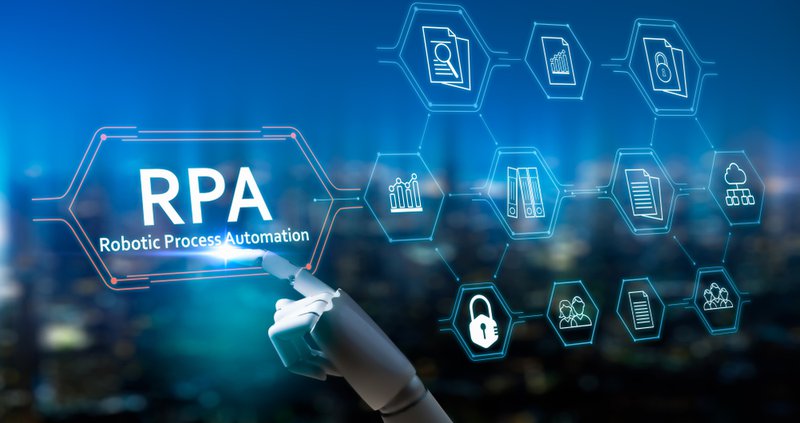
Robotic Process Automation (RPA) is transforming daily productivity in accounts payable and procurement departments. By delegating high-volume, repetitive tasks to intelligent software bots, organizations reduce processing delays and human error while dramatically speeding up transaction cycles.
Key advantages of implementing RPA include:
- Reduced Manual Errors: Automated data entry ensures consistent formatting and validation against baseline purchasing data.
- Accelerated Processing Speed: Invoices and purchase orders that once took days to approve can now be finalized in minutes, enabling organizations to capture early payment discounts.
- Enhanced Compliance: RPA bots strictly enforce internal approval hierarchies and regulatory requirements without requiring constant human oversight.
RPA platforms seamlessly connect with core ERP systems to maintain a continuous, real-time sync of financial data across accounting modules. If your team is evaluating efficiency bottlenecks, analyzing workflow mechanics can help determine if procure-to-pay automation is slowing you down or if system configurations simply need refinement.
No-Code and Low-Code Innovations in Modern Finance
The rise of no-code and low-code workflow platforms represents another major milestone in digital innovation in finance. These user-friendly platforms democratize application development, allowing finance managers to design, test, and update procurement approval workflows without relying heavily on IT departments.
Key benefits of no-code platforms include:
- Rapid Deployment: Visual drag-and-drop tools enable teams to publish new approval pathways in days rather than months.
- Unmatched Flexibility: Organizations can adjust approval rules on the fly to respond to new tax mandates or internal restructurings.
- Lower Total Cost of Ownership: Reduced dependency on custom software development lowers overall system maintenance expenses.
Combining customizable workflow tools with dedicated vendor management automation ensures that organizations maintain control over vendor onboarding, tax documentation, and performance tracking.
As enterprises pursue agile technology stacks, adopting scalable p2p automation software equips finance leadership with the agility, security, and insight needed to drive long-term strategic success.
Upgrade Your Financial Workflows with TrinDocs
Discover how TrinDocs can streamline your procure-to-pay processes, eliminate manual data entry, and integrate seamlessly with your ERP system.