
The modern workplace is evolving rapidly, and transitioning to digital workflows using an electronic document management system is leading the charge. Businesses today are exploring innovative ways to streamline operations, enhance data security, and promote environmental sustainability. Implementing a robust document management system is no longer just an operational upgrade; it is a strategic necessity shaping the future of work. As organizations face growing operational complexity, going paperless offers incredible advantages, including discovering the true power of automated paperless processes across every department.
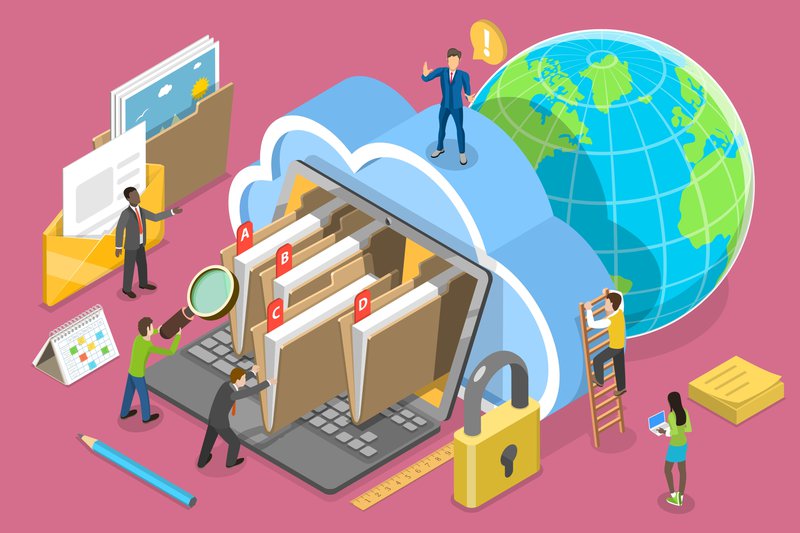
Modernize Your Workplace Architecture
Transitioning from physical paperwork to automated cloud architecture enables enterprise teams to stay agile, organized, and secure. Discover how modern paperless tools redefine operational performance below.
1. Environmental Impact: Reducing Waste and Carbon Footprint
In an increasingly environmentally conscious business climate, shifting toward paperless office solutions is a vital step toward reducing physical waste and minimizing your enterprise carbon footprint.
Reduction in Paper Consumption
By eliminating traditional paper-based documentation, organizations significantly decrease their overall paper consumption. This directly reduces the number of trees harvested for commercial paper production, directly supporting forest conservation initiatives worldwide.
Minimized Energy Consumption
Printing, copying, and storing physical files require substantial energy—from running industrial printers and copiers to temperature-controlling physical filing archives. Embracing paperless solutions slashes energy consumption, aligning operations with modern corporate sustainability goals.
Lower Carbon Emissions
The manufacturing, processing, and transportation of paper products generate significant carbon emissions. By converting to paperless digital workflows, businesses actively lower greenhouse gas emissions across their administrative supply chain.
2. Efficiency and Cost Savings with an Electronic Document Management System
Transitioning to automated digital tools brings substantial financial advantages, revolutionizing traditional operations and driving long-term cost reductions across the enterprise.
Maximize Operational Cost Savings
Digitizing physical records eliminates recurring paper costs, reduces expensive administrative errors, and accelerates document processing cycles across all departments.

Reduced Printing and Supply Costs
Maintaining physical paperwork incurs endless expenditures on paper, ink, toner, printer leasing, and equipment repairs. Minimizing reliance on physical records lets companies permanently slash overhead operating expenses.
Streamlined Workflows and AP Processes
Integrating tailored tools like purchase requisition automation removes bottlenecks from financial workflows, ensures approval compliance, and eliminates manual data entry delays.
Elimination of Physical Storage Expenses
Paper-based filing systems require valuable office real estate and expensive physical cabinets. Going paperless frees up physical footprint and eliminates off-site document archive storage fees.
3. Security and Compliance: Enhanced Data Protection
When protecting confidential corporate records, utilizing centralized file management software offers a proactive, secure framework for safeguarding sensitive information and maintaining regulatory adherence.
Robust Data Encryption
Modern electronic document systems incorporate advanced encryption protocols for files both at rest and in transit. This enterprise security prevents unauthorized access and protects sensitive company records.
Comprehensive Audit Trails and Access Controls
Digital environments allow administrators to set strict role-based user access permissions and maintain detailed audit trails. Management can monitor document views, edits, and approvals in real time to satisfy internal and external security controls.
Regulatory Compliance Adherence
Paperless platforms streamline compliance with strict regulations such as HIPAA, GDPR, and SOC guidelines by enforcing standardized document retention, automated destruction, and strict privacy controls.
4. Productivity Boost: Streamlined Workflows and Collaboration
Paperless environments usher in higher workplace productivity through instant file access, seamless searchability, and real-time team collaboration.
Instant Document Retrieval
With high-performance file management software, employees can instantly retrieve documents using indexed metadata, avoiding hours spent searching through filing cabinets or misplaced desktop folders.
Real-Time Cloud Collaboration
Paperless setups facilitate dynamic cross-team collaboration through cloud-based connectivity. Team members can review, annotate, and approve files simultaneously, regardless of geographic location.
Automated Workflow Routing
Embedded workflow automation routes invoices, contracts, and requisitions to designated decision-makers automatically. This minimizes manual intervention, reduces human errors, and dramatically accelerates task completion rates.
5. Scalability for Growing Enterprises
As business operations expand, managing physical paperwork becomes exponentially more difficult and costly. Digital paperless systems allow your business to scale seamlessly without requiring proportional increases in administrative staff or physical storage space.
Ready to Transform Your Business Workflows?
Optimize your operations, increase data security, and eliminate paper bottlenecks with custom document automation solutions from TrinDocs.