
Traditional invoice methods are draining your resources and stalling your business growth. Manual processes are riddled with inefficiencies, from long processing delays to costly human errors, leading to increased operational costs and decreased productivity. Initiating a strategic ap digital transformation is essential for finance teams looking to scale efficiently. By replacing paper-based bottlenecks with automated invoicing, businesses can unlock significant time and cost savings while boosting overall accuracy and financial control.

Streamlining Financial Workflows
Manual invoicing forces accounting teams to spend endless hours on repetitive task routing and manual keying. Leveraging modern invoice automation tools simplifies these workflows, empowering your team to process invoices in a fraction of the time.
Time Savings with Automated Invoice Solutions
Automated invoice solutions drastically cut down processing time, transforming a task that once took days into one that can be completed in minutes. Traditional methods often involve multiple touchpoints—from physical receipt and manual data entry to managerial approval—each highly susceptible to delays. In contrast, modern end-to-end solutions streamline these steps, reducing the time spent on each invoice by up to 80%.
Consider the contrast: manual processing frequently takes up to 20 minutes per invoice, whereas automated systems handle the exact same task in under 5 minutes. This dramatic efficiency boost allows companies to stop chasing paper and see how invoice processing automation saves time and money across every level of the organization. Freed from manual entry, finance professionals can redirect their energy toward higher-value strategic planning and analytical tasks.
Furthermore, digital systems offer real-time document capture and instant access to transaction records. This immediacy eliminates approval bottlenecks and ensures that incoming invoices are routed as soon as they arrive, building a more agile finance department.
AP Digital Transformation: Reducing Errors and Enhancing Accuracy
Manual invoicing is inherently error-prone. Misinterpreted handwriting, incorrect line-item entry, and lost documents can result in substantial financial discrepancies and operational headaches. If you want to eliminate common invoice data entry mistakes, removing manual intervention from your core workflow is the single most effective step you can take.
A successful ap digital transformation replaces manual data entry with sophisticated optical character recognition (OCR) and automated machine learning algorithms. These advanced tools accurately extract data, validate line items, and seamlessly match invoices against purchase orders and receipts. By centralizing digital storage, organizations also eradicate the risk of lost or misplaced physical files.
Moreover, modern platforms incorporate real-time validation checks that instantly flag duplicate invoices, price discrepancies, or vendor mismatches before payments are executed. This proactive approach guarantees higher data integrity and safeguards vendor trust.
Unlocking Significant Cost Benefits
Relying on manual invoice processing creates massive operational overhead. Moving to dedicated software drastically reduces labor costs, eliminates late payment fees, and cuts out physical paper and storage costs.
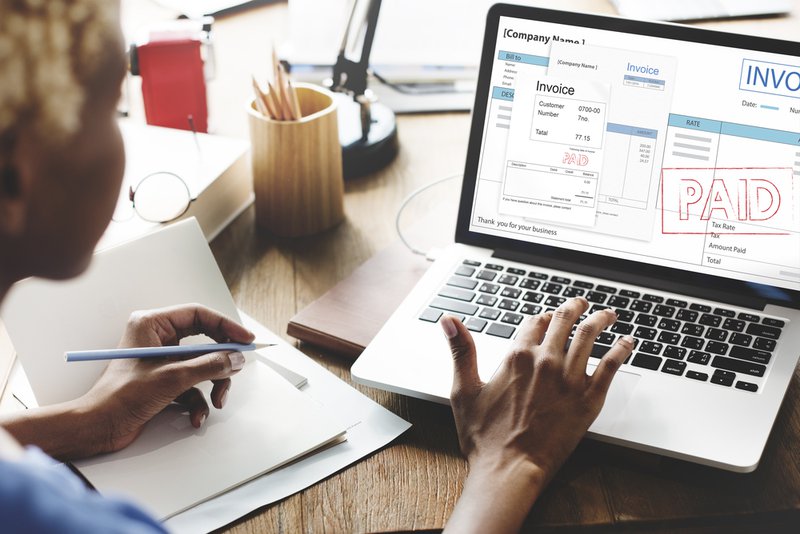
Cost Benefits of Switching to Automation
Transitioning to automated software offers immediate and long-term financial returns. One of the most significant cost drivers in AP is human capital; manual invoicing requires extensive labor for keying, validating, and filing. Implementing robust accounts payable automation allows companies to scale their transaction volume seamlessly without having to increase departmental headcount.
In addition, enterprise invoice automation tools prevent costly payment delays. Slow approval cycles using paper documents lead to missed early payment discounts and costly late payment fees. Automated systems accelerate cycle times so consistently that organizations frequently achieve up to a 30% reduction in late fees while capturing maximum vendor discounts.
Finally, moving away from physical paper cuts printing, mailing, and physical storage costs. Digital archives are vastly more secure, searchable, and cost-effective, directly improving your bottom line.
Increased Visibility and Control
Traditional accounting methods often leave leadership in the dark regarding active liabilities and invoice statuses. Automated systems deliver complete visibility across the entire procure-to-pay lifecycle. Real-time dashboards allow finance leaders to monitor every invoice from initial submission to final settlement.
Comprehensive analytics features provide deeper oversight into critical financial metrics. Automated platforms generate instant reports on processing speed, approval cycle times, spending trends, and exception rates. These insights empower CFOs and controllers to make informed, data-driven decisions.
Centralizing invoice data within a secure, cloud-accessible hub simplifies compliance and external audits. Auditors can instantly search and retrieve required records without requiring staff to pull paper files, dramatically reducing audit prep time.
Embracing the Future of Invoice Management
Continuing to rely on outdated, traditional invoicing methods presents a growing risk to your operational efficiency and cash flow management. Embracing digital transformation ensures your accounting processes remain modern, agile, and cost-effective. By eliminating manual bottlenecks, your team can enjoy shorter processing times, near-zero error rates, and complete control over corporate spend.
Ready to Transform Your Accounts Payable Process?
Stop letting manual invoice processing slow your organization down. Eliminate errors, save time, and gain total control over your financial workflows with TrinDocs.